
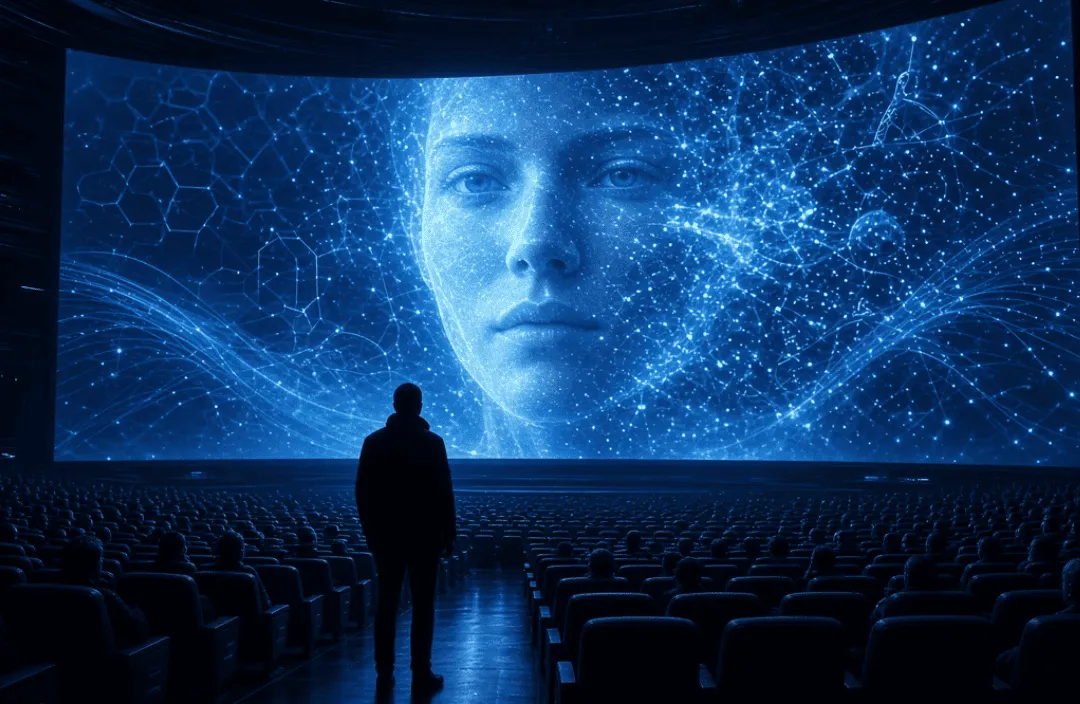
Open almost any list of great sci-fi premises and a cloning sci-fi movie shows up near the top. There’s a reason the idea keeps coming back, decade after decade, across completely different stories. Cloning lets filmmakers ask one of the oldest questions in philosophy, what makes you you, without ever leaving the bounds of plausible science. Give a character someone else’s exact DNA and you’ve built instant, built-in drama.
This guide looks at why the theme endures, how different films have used it, what tends to happen to identity and memory in these stories, and how ECHO OF THE CLONE puts its own spin on the idea.
Why Is Cloning a Common Sci-Fi Theme?
Most durable sci-fi premises share one trait: they’re close enough to real science to feel possible, and open enough to carry whatever theme the story needs. Cloning checks both boxes. Scientists really have cloned sheep, cattle, and monkeys, so the premise doesn’t require much suspension of disbelief. From there, a writer can send the idea almost anywhere.
Built-in stakes
A clone automatically raises the question of rights, without a single line of exposition needed.
A mirror for the audience
Watching a clone discover its own nature lets viewers examine their own sense of identity from a safe distance.
A flexible villain or victim
Cloning can power a corporate thriller, a horror story, or a quiet character drama, depending on who’s doing it and why.
Cloning Concepts in Science Fiction
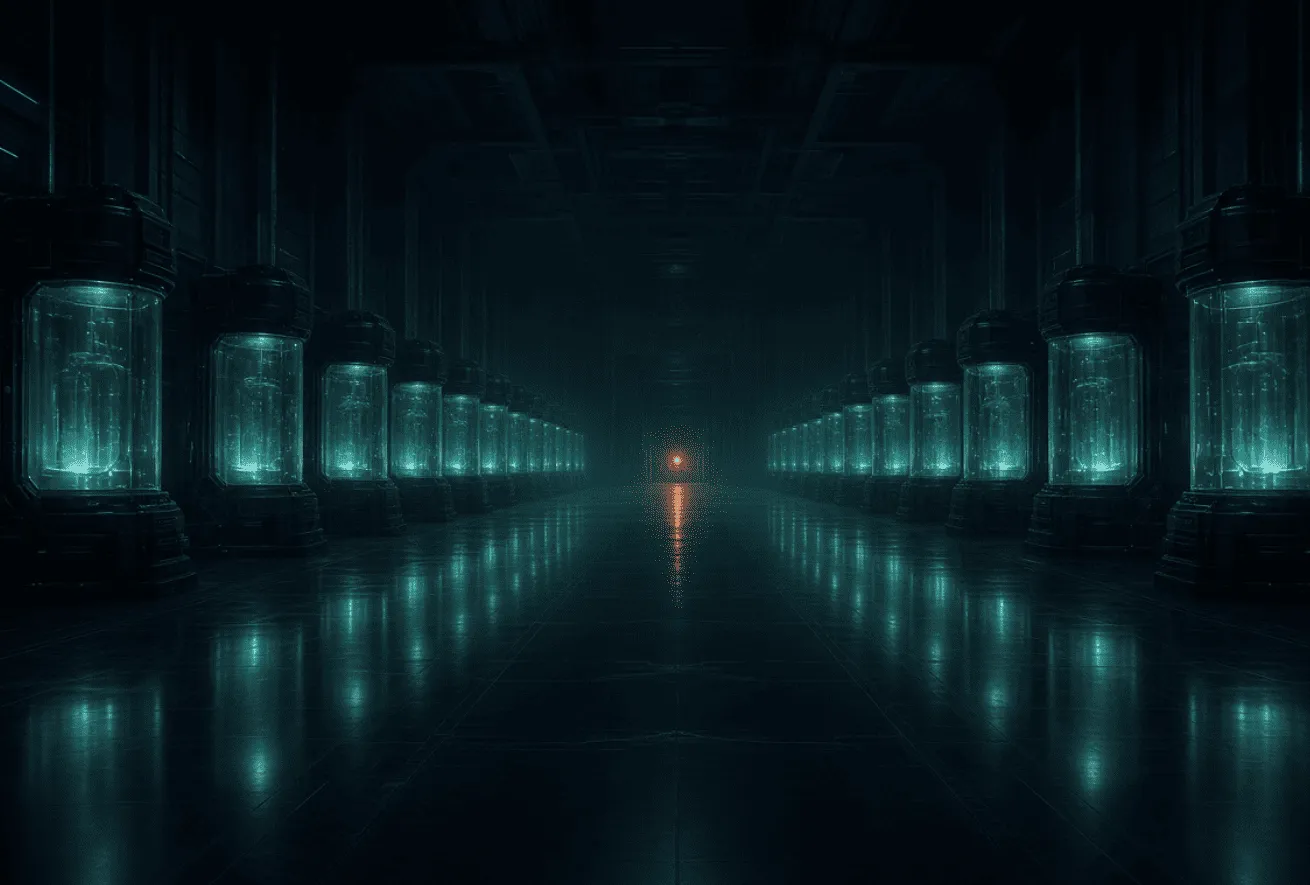
A few well-known films show how differently this one concept can be used. The Island (2005), directed by Michael Bay, follows clones held in a sealed facility who don’t know they exist to supply organs and surrogate pregnancies for their wealthy sponsors. Moon (2009), directed by Duncan Jones, takes a quieter approach: an astronaut running a solo lunar mining contract discovers he’s one in a long series of clones, each activated to keep the operation cheap and uninterrupted. Never Let Me Go (2010), directed by Mark Romanek and based on Kazuo Ishiguro’s novel, follows clones raised from childhood who gradually learn they exist to become organ donors.
Same basic premise, three completely different moods: an action thriller, a melancholic psychological drama, and a quiet tragedy. That range is exactly why the theme keeps getting reused instead of worn out.
| Film | Year | Core idea | Genre lean |
|---|---|---|---|
| The Island | 2005 | Clones kept ignorant to supply organs and surrogacy for sponsors | Action thriller |
| Moon | 2009 | A worker discovers he’s part of a hidden chain of clones | Psychological drama |
| Never Let Me Go | 2010 | Clones raised to eventually donate their organs | Tragedy |
| ECHO OF THE CLONE | Film setting: 2127 | A CEO investigates her own body after an unexplained bond with a clone emerges | Sci-fi mystery |
Identity and Memory in Clone Stories
Here’s where fiction and biology quietly part ways, and most films don’t make a big deal of it. In reality, cloning copies DNA. It doesn’t copy memory, since memory isn’t stored in your genes; it’s built through a lifetime of individual experience. A clone made from your cells today wouldn’t remember your childhood any more than your sibling does.
Fiction often bends this rule anyway, because a clone with the original’s memories creates a sharper dramatic question than a clone without them. Moon’s Sam Bell wakes up already believing he’s lived a specific life, which is what makes the reveal land so hard. Other stories, including ECHO OF THE CLONE, take the opposite approach: the clone and the original share no memories at all. Something else entirely drives the mystery instead, a strange, unexplained connection that has nothing to do with recollection.
Either choice works dramatically. What matters is that the real science, covered in more depth in our guide to human cloning explained, doesn’t actually support shared memory between a clone and the original. Treat it as a storytelling device, not a preview of a future technology.
How ECHO OF THE CLONE Approaches Cloning
ECHO OF THE CLONE sets its story inside a company called SC Corporation, described as the world’s most advanced cloning technology firm in its 2127 setting. That’s a deliberate choice. A lot of cloning fiction centers on secretive government labs. Putting a corporation at the center shifts the story’s moral weight toward questions of profit, liability, and who answers for a product once it’s out in the world, closer to the ethical ground we cover in our guide to the ethics of human cloning.
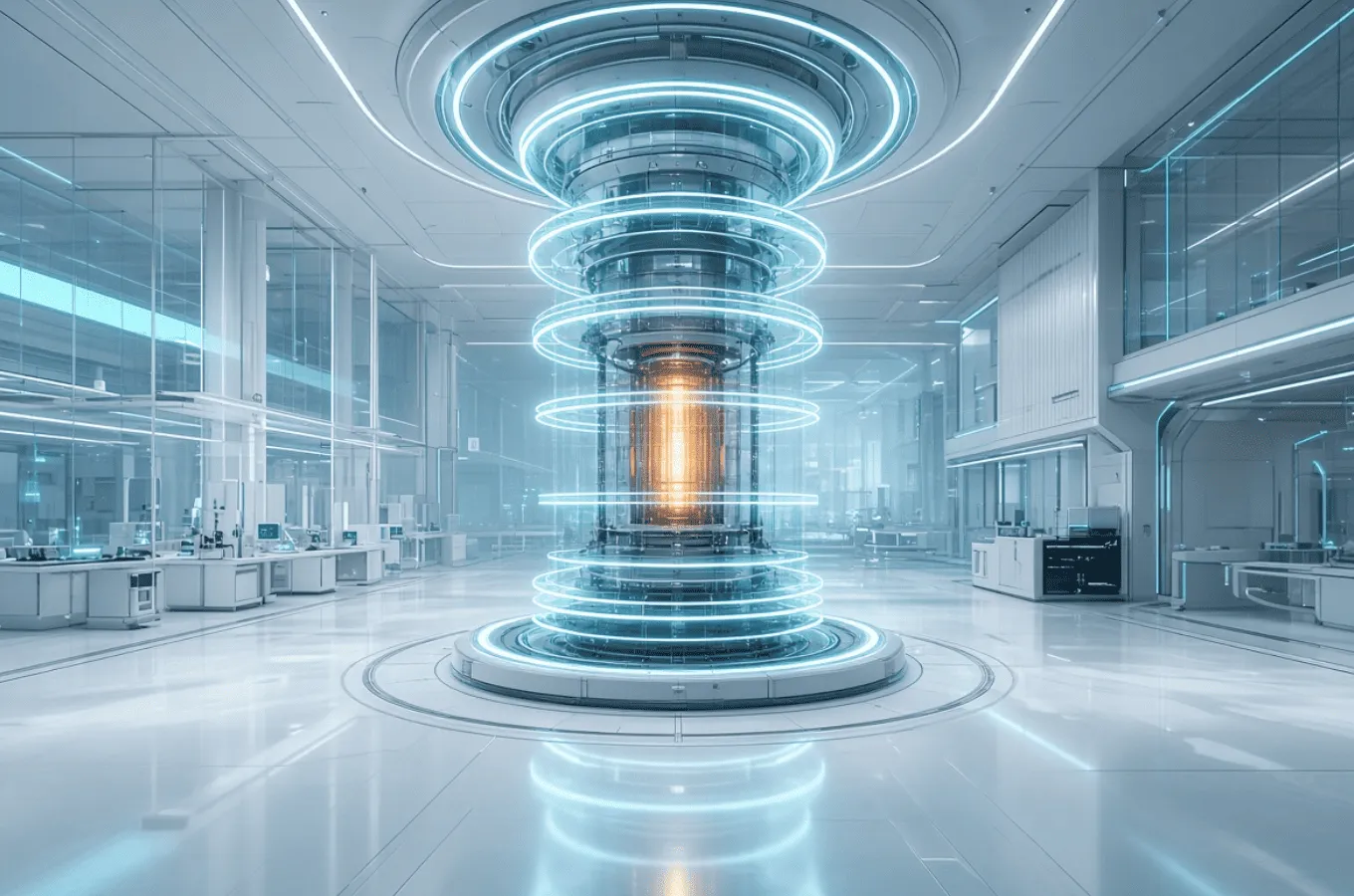
The company’s latest machine, Universal Mold No. 7, is described in the film’s worldbuilding as building on Gibson Assembly, a real DNA-fragment-joining method published by researchers in 2009. In the real world, that technique stitches together pieces of DNA in a test tube; it doesn’t produce a living organism. The film borrows the name of a genuine technique and then imagines a capability no lab has actually reached, which is worth knowing if you want to separate the film’s science from its fiction.
The plot follows Catherine, a corporate CEO who notices something has gone wrong inside her own body, and Mike, one of the machine’s original designers. Illegal cloning, done without consent, is treated as a crime in the film’s world rather than a shrug-worthy inconvenience, which keeps the story grounded closer to the real-world consensus we outlined in our ethics guide. For more on the world this story takes place in, see Behind the Scenes of ECHO OF THE CLONE: The 2127 Universe.
The Future of Cloning in Science Fiction
As real genetic science advances, so does the detail writers can plausibly put into a cloning story. Expect future films to lean less on “a secret lab did something shocking” and more on the murkier territory real researchers are already debating: consent, corporate ownership of biological material, and what rights a lab-made life should have from the moment it exists.
The core question, though, probably won’t change. It’s the same one these stories have circled since the genre began: if someone can be copied, what part of them can’t be?
FAQ: Human Cloning in Sci-Fi
Why do sci-fi movies love the cloning theme?
Cloning lets a story ask what makes you you without leaving the realm of plausible science. A clone shares someone’s DNA but not their life, which creates instant dramatic tension around identity, rights, and what, if anything, makes a person unique.
What are some well-known cloning sci-fi movies?
The Island (2005) follows clones raised for organ harvesting who don’t know the truth about their origin. Moon (2009) centers on an astronaut who discovers he’s one in a long line of clones running a lunar mining base. Never Let Me Go (2010) follows clones raised from childhood to become organ donors. Each uses cloning to explore a different ethical angle.
Do clone characters in movies usually keep the original’s memories?
It varies by story. Real cloning doesn’t transfer memories at all, since memory lives in individual brain development, not DNA. Some fiction, like Moon, gives clones a shared starting memory set for dramatic effect. Others, like ECHO OF THE CLONE, treat the clone and original as sharing no memories but something else entirely: an unexplained physical link.
How does ECHO OF THE CLONE’s cloning technology differ from real science?
The film’s Universal Mold No. 7 is described as building on Gibson Assembly, a real DNA-fragment-joining technique published in 2009. In the real world, Gibson Assembly doesn’t create living organisms. The film imagines a leap in capability no lab has achieved, which is a common and reasonable move in science fiction, but worth naming clearly.
Is cloning in science fiction scientifically accurate?
Rarely. That’s usually fine, since the genre exists to explore ideas rather than document lab procedures. Real cloning relies on somatic cell nuclear transfer and has a very low success rate even in animals. Film clones are almost always a dramatic shortcut, not a technical prediction.
What makes ECHO OF THE CLONE’s take on cloning distinct?
It centers the story on a corporation, SC Corporation, rather than a government lab, and treats illegal cloning as a crime with real victims rather than a background detail. The mystery driving the plot, centered on Catherine and Mike, uses cloning to ask what responsibility a creator owes to what they create.
See the Theme Through a New Lens
ECHO OF THE CLONE puts its own spin on a classic sci-fi question. Explore the story, the world, and the people caught in it.
About the Film Meet Catherine Cinematic UniverseKeep Reading
Human Cloning Explained: Science, Ethics, and the Future
What the science can and can’t actually do.
The Ethics of Human Cloning: Identity, Rights, and Morality
Consent, rights, and whether a clone would be its own person.
Behind the Scenes of ECHO OF THE CLONE: The 2127 Universe
The worldbuilding behind the film’s cloning technology.
Sources and further reading
- Scottish Council on Human Bioethics, Human Cloning in Film.
- The Island (2005), directed by Michael Bay.
- Moon (2009), directed by Duncan Jones.
- Never Let Me Go (2010), directed by Mark Romanek, based on the novel by Kazuo Ishiguro.
- Gibson D. et al., Enzymatic assembly of DNA molecules up to several hundred kilobases, Nature Methods, 2009.
Film details for third-party titles come from publicly available sources and are presented as general background, not a full plot summary. ECHO OF THE CLONE details come from official film materials.